So, you're ready to take your first step into the exciting world of motorcycles? Welcome! Whether you’ve been dreaming about open roads, weekend rides, or daily commuting on two wheels, starting your motorcycling journey is one of the most rewarding decisions you’ll ever make.
But—let’s face it—it can also be a little overwhelming.
What kind of motorcycle should you buy? What gear do you need? Do you need a special license? How do you stay safe on the road?
Don’t worry—we’ve got you covered. This Beginner Rider Guide is here to help you hit the ground running (or rolling!).
Step 1: Understand Why You Want to Ride
Before diving in, ask yourself: Why do I want to ride a motorcycle?
- Adventure and exploration?
- Urban commuting to beat traffic?
- A passion for speed and performance?
- A simple, affordable mode of transport?
Your reason will shape what type of motorcycle, gear, and training you need. Be honest with yourself—it’ll help narrow down the right choices for you.
Step 2: Learn the Legal Requirements
Do I need a motorcycle license?
Yes. Most countries require a specific motorcycle endorsement or license, separate from your regular driver's license.
Here’s what you typically need to do:
- 1. Pass a written knowledge test
- 2. Take a certified rider training course (e.g., MSF in the U.S.)
- 3. Pass a road/skills test
Step 3: Get the Right Riding Gear
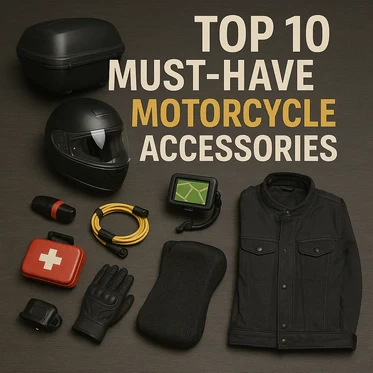
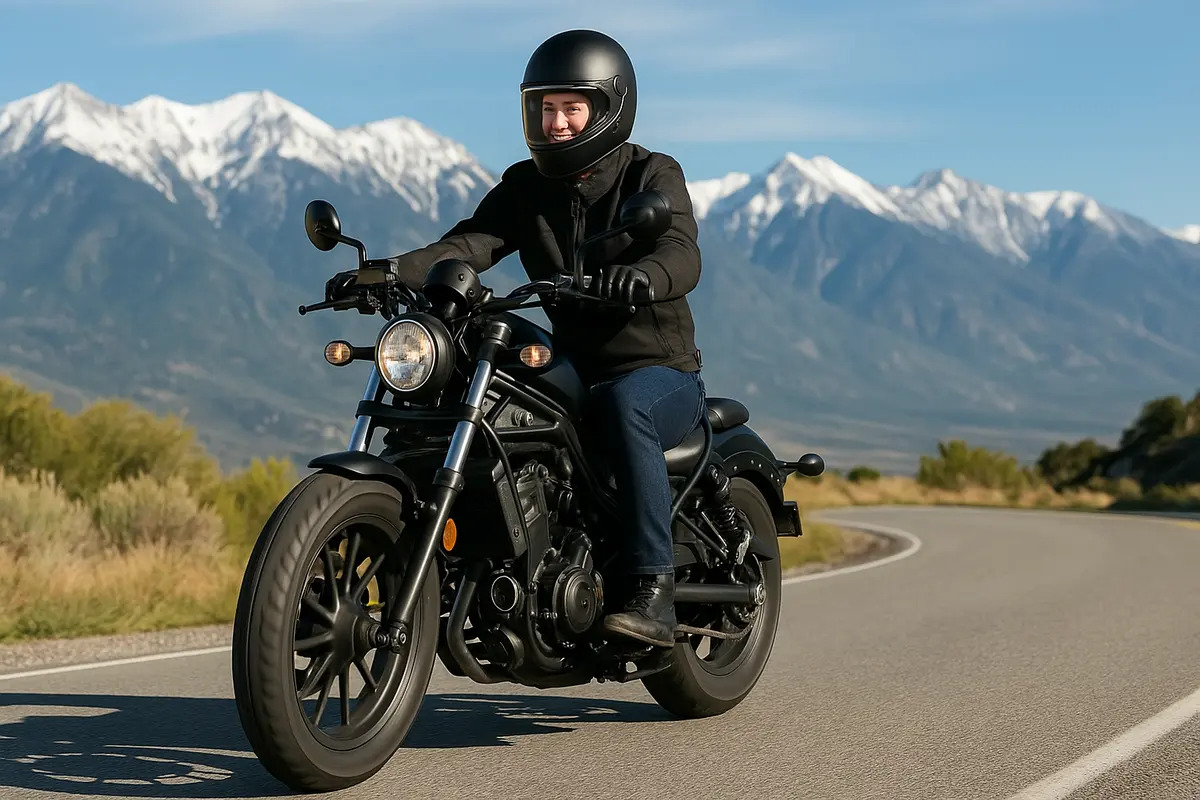
Before you even sit on a bike, you’ll need proper gear. Safety first—always.
Beginner Gear Checklist:
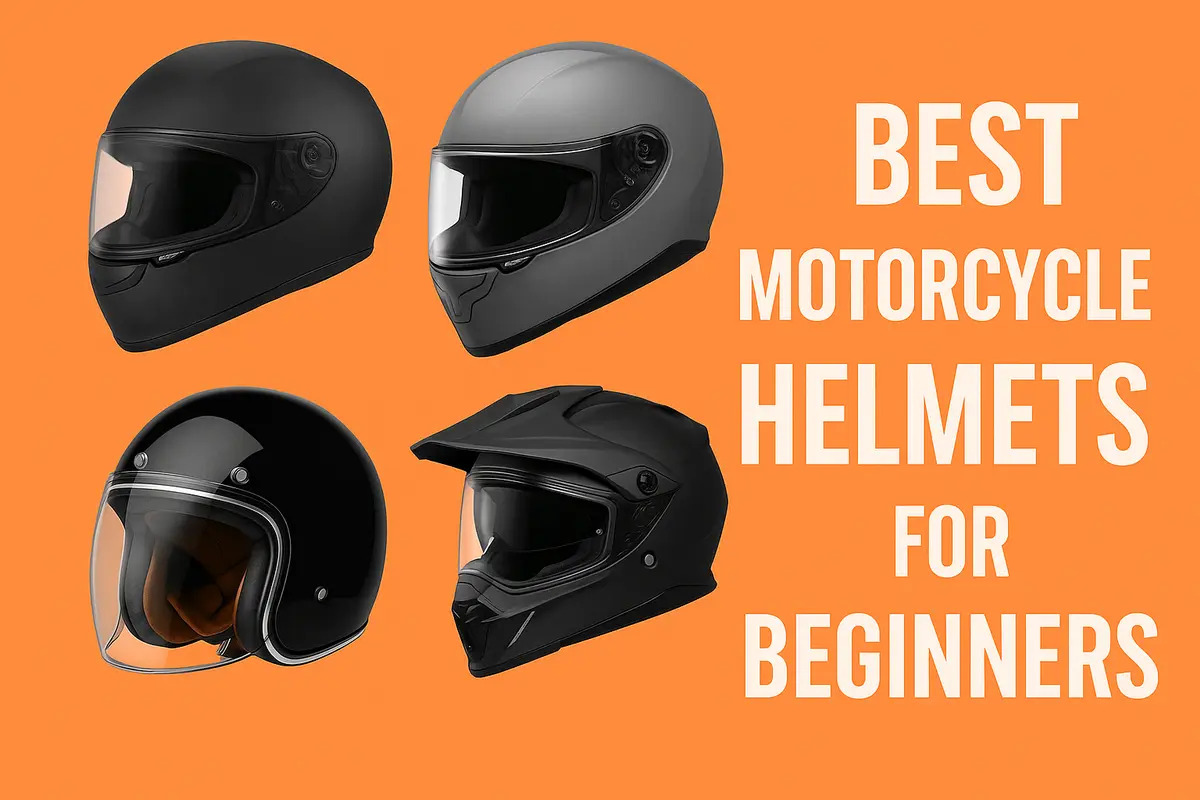
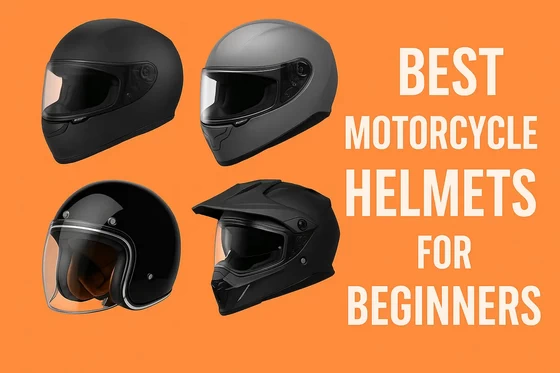
- Helmet (DOT or ECE certified)
- Motorcycle jacket (with armor)
- Gloves (preferably leather with knuckle protection)
- Riding pants or jeans with Kevlar reinforcement
- Motorcycle boots (ankle protection is key)
Step 4: Choose Your First Motorcycle
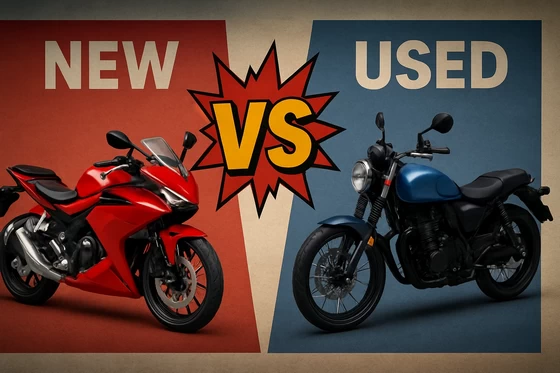
The perfect beginner bike is lightweight, manageable, and not too powerful. You want something that builds confidence—not fear.
Popular Beginner Bike Types:
- Sportbikes (e.g., Yamaha YZF-R3, Kawasaki Ninja 500)
- Naked bikes (e.g., KTM 390 Duke, Honda CB500F)
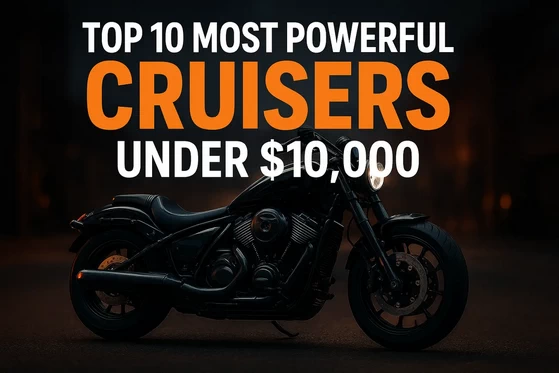
- Cruisers (e.g., Honda Rebel 500, Royal Enfield Meteor 350)
- Adventure-lite bikes (e.g., Kawasaki Versys-X 300)
Must-read: [Top 7 Beginner Motorcycles of 2025]
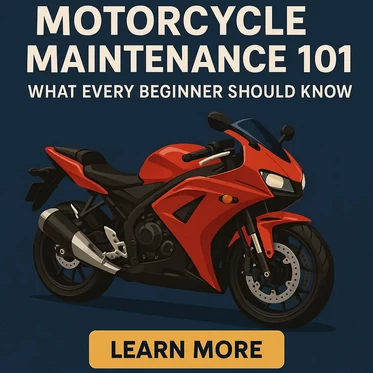
Step 5: Learn Basic Motorcycle Maintenance
Taking care of your motorcycle doesn’t require being a mechanic, but you should know the basics:
- Check tire pressure and tread
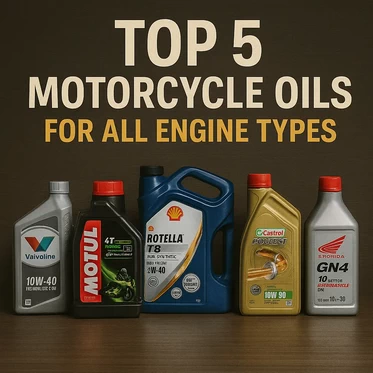
- Monitor oil level and chain tension
- Understand when to service brakes, fluids, and filters
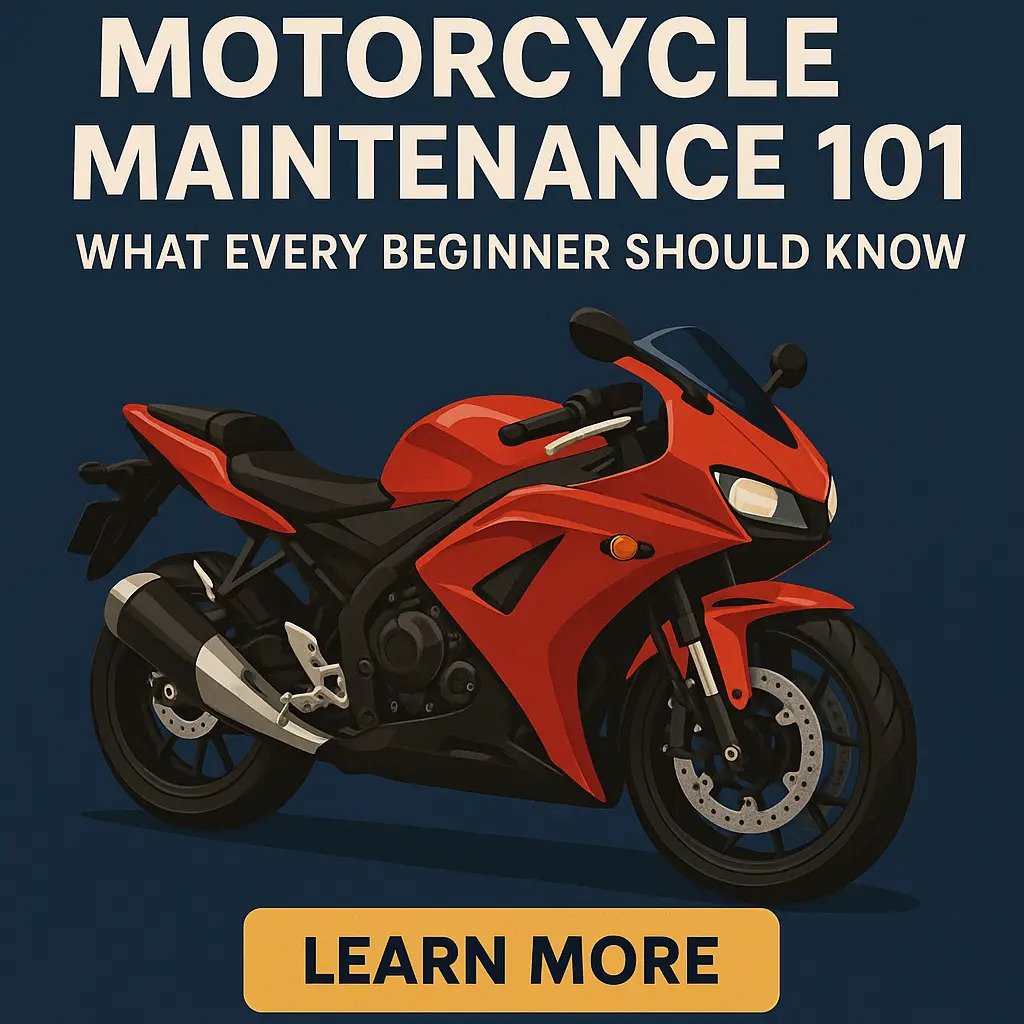
Guide: [Motorcycle Maintenance 101 – What Every Beginner Should Know]
Step 6: Master the Fundamentals (Take a Course!)
Even if your country doesn’t require it, we strongly recommend a certified training course. Courses like the Motorcycle Safety Foundation (MSF) teach:
- Basic control and handling
- Defensive riding techniques
- Emergency braking and swerving
- Street awareness and positioning
You’ll gain confidence in a controlled, safe environment—and often qualify for insurance discounts!
Step 7: Start Small and Ride Smart
Don’t try to be Valentino Rossi on day one. Build your skills gradually:
- Practice in parking lots before hitting public roads
- Ride during low-traffic hours to build confidence
- Avoid riding in bad weather early on
- Always assume other drivers don't see you
Your early days on a motorcycle are the most important. Ride with patience and caution.
Bonus Tips for New Riders
- Always wear your gear—even for short rides
- Plan routes with wide lanes and slow speeds
- Join beginner-friendly riding groups for experience
- Carry basic tools and emergency contact info on rides
Ready to Ride? Here's Your Next Step:
Want help picking your first bike? Start here: Top 7 Beginner Motorcycles in 2025
Or check out our gear guide: Best Motorcycle Helmets for Beginners
Final Thoughts
Getting started with motorcycling is about more than just the bike—it’s about mindset, preparation, and building good habits from day one. With the right guidance, gear, and training, your first year on two wheels can be life-changing—in the best way.
So gear up, learn the ropes, and enjoy the ride. The road is calling.